







Search Results for: Fat Cat

Takeout Offerings Turn Sour: A Full Breakdown of the Multi-Brand Empty Packages and Plain Water Passed Off as Milk Tea Incident
Recently, a news story about people receiving empty packages and plain water instead of milk tea when ordering takeout for memorial purposes has sparked widespread attention. The incident originated from a 21-year-old young man nicknamed "Fat Cat" who jumped into a river to take his own life due to a romantic dispute. Netizens from various places, sympathizing with his plight, spontaneously ordered takeout to be delivered to the Chongqing Yangtze River Bridge as a tribute. However, some of the takeout bags contained only empty packaging boxes and plain water disguised as milk tea, involving well-known chain brands such as Mixue Ice Cream & Tea and ChaBaiDao. Staff at the stores involved, believing remarks that "other stores are all sending empty packages," mishandled the orders, provoking consumer anger. Lawyers pointed out that this act infringes on consumers' right to be informed and constitutes consumer fraud. The brands have apologized and made rectifications one after another, and regulatory authorities have stepped in. Front Street Coffee reminds that under any circumstances, businesses should operate in good faith and respect every order. [more…]
How expensive is kopi luwak really? A price exposé and tasting guide from Bali to the World Expo
Kopi Luwak is hailed as one of the most expensive coffees in the world, and its price is staggering: in the US market it reaches as high as US$1,200 per kilogram, a cup sells for £50 in London, and at the 2010 Shanghai World Expo it even sold for 396 RMB per cup. This coffee does indeed come from the feces of the civet, and after fermentation within the body it develops a unique flavor. This article will walk you through the reasons for Kopi Luwak's high price, the civet's unique habits, key points for brewing and tasting, and practical tips on which groups of people should not drink coffee. If you are interested in this legendary coffee, Front Street Coffee also has related products available to learn about. [more…]
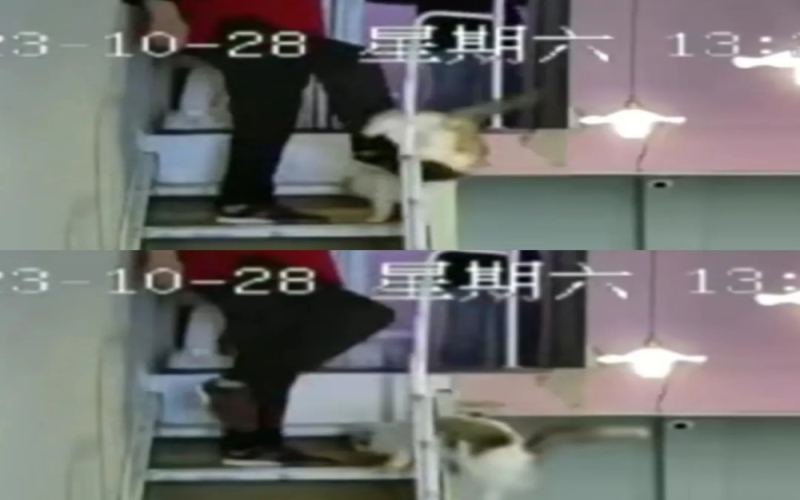
A father kicked a cat down the stairs at a cat cafe in Wuxi, sparking heated discussion; the shop owner, fearing retaliation, gave up pursuing accountability.
On October 28, a distressing scene unfolded in a cat café in Wuxi, Jiangsu: a father, because a cat had startled his child, actually kicked the cat down the stairs. After the surveillance footage was exposed, netizens were furious and offered the shop owner advice on how to pursue accountability. However, because the owner had not called the police in time and feared retaliation afterward, he ultimately chose not to pursue the matter further. This incident once again sparked discussion about whether cat cafés should admit children, and also reflected the real-world dilemma of animal protection and the safeguarding of merchants' rights. [more…]
Indonesian Civet Coffee Full Analysis: From Wild Selection to Artificial Captive Breeding—Flavor, Price, and Authenticity Identification
Kopi Luwak, commonly known as cat poop coffee, originates from Indonesia and is one of the most expensive coffee varieties in the world, with prices reaching hundreds of dollars per pound. Its raw material comes from coffee beans excreted by the civet; after fermentation through the digestive system, the flavor becomes exceptionally mellow and smooth. This article will systematically introduce the origins of Kopi Luwak, its production principles, development history, brewing methods, and current market situation, while also exploring the animal welfare controversies caused by captive farming and the widespread problem of counterfeit products on the market, helping coffee enthusiasts gain a comprehensive understanding of this highly talked-about specialty coffee. [more…]
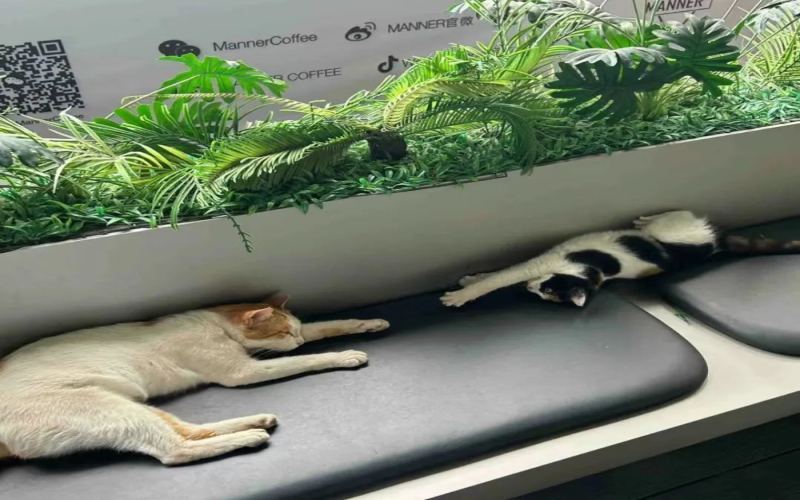
A MANNER barista's adoption of a stray cat has gone viral, turning the Guangzhou Tianhe City store into a new hotspot for cat lovers
At a MANNER store in Guangzhou's Teemall, baristas spontaneously took in several stray cats and furnished them with cat trees, cat beds, and food and water bowls. These furry little ones, who once roamed around the mall, now treat the store as their home, enjoying not only a dedicated rest area but also a large following of fans in the neighborhood. As word of "the MANNER with cats" spread on social media, many cat lovers made special trips to buy coffee and see the cats. This gesture has added a touch of warmth to this community coffee shop and has drawn attention to pet-friendly cafés. [more…]
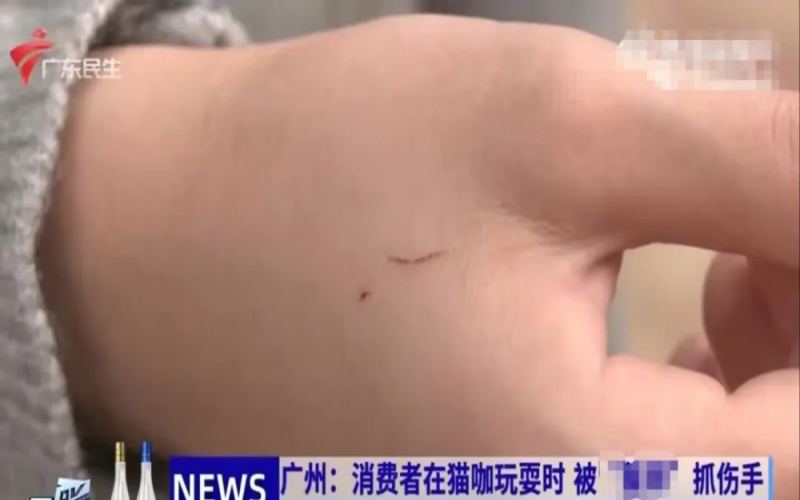
Cat café customer bitten by cat claims over 3,000 yuan, rejected by the business; dispute over liability arises
Recently, a cat café in Guangzhou experienced an incident where a customer was bitten by a cat in the store. After seeking medical treatment, the customer demanded more than three thousand yuan from the business for medical expenses and emotional distress, but the owner refused. The business claimed that the risks had been clearly stated in the group-buy package and in-store notices, and that the customer, being an adult, should not hold the store fully responsible; the customer side argued that the business had failed to fulfill its safety obligations. Both sides stuck to their own accounts, and the negotiation reached a deadlock. The incident has attracted widespread attention: when someone is scratched or bitten by a pet in a cat café, how exactly should liability be divided? As coffee lovers, when enjoying the pleasure of petting cats and drinking coffee, how can we protect our own safety? Front Street Coffee reminds you that choosing a legitimate cat café and understanding the relevant guidelines is the best way to enjoy your time interacting with cats. [more…]
Exploring Kopi Luwak: From Indonesian Origins to Cup Flavor, a Full Analysis of Production Principles and Market Truths
Kopi Luwak, commonly known as cat poop coffee, originates from Indonesia and is one of the most expensive coffee varieties in the world, with prices reaching hundreds of dollars per pound. Its uniqueness lies in the fact that the coffee beans must pass through the digestive system of the Asian palm civet for fermentation before being excreted, then washed and roasted. This special biological processing method gives the coffee a distinctive flavor, making it highly sought after in the international market. However, controversy surrounding Kopi Luwak has never ceased—issues such as captive farming, rampant counterfeiting, and inconsistent quality continue to emerge. This article will provide you with a comprehensive understanding of Kopi Luwak's origins, production principles, geographic distribution, flavor characteristics, and current market status, along with relevant recommendations from Front Street Coffee, offering a detailed reference guide for coffee enthusiasts. [more…]
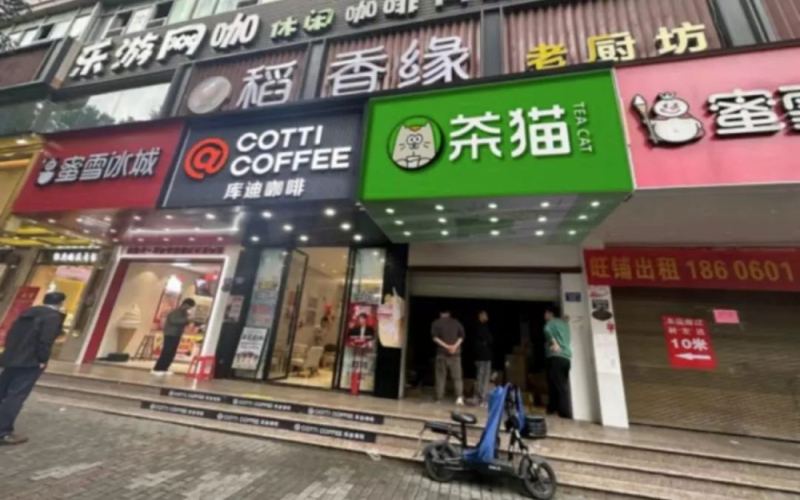
Cotti Coffee launches new tea drink brand Tea Cat, can the 6.9 yuan promotional strategy stir up the tea drink market landscape?
After 397 days since the opening of its first store, Cotti Coffee has officially announced the launch of its second brand—Tea Cat, a brand-new tea beverage brand focused on healthy milk tea. Its first store has landed in Pingnan County, Ningde, Fujian, and is currently in the internal testing stage. According to Li Yingbo, Chief Strategy Officer of Cotti, Tea Cat focuses on the whole-leaf milk tea segment, with products covering pure tea, fresh fruit tea, and more. At the same time, Tea Cat continues Cotti's low-price approach, launching a promotional offer of 6.9 yuan per cup, which has sparked heated discussion online. Some industry insiders believe that Cotti's move may be aimed at easing the competitive pressure in the coffee sector and leveraging its existing franchisee resources and supply chain advantages to develop new business. Whether Tea Cat can set off a new price war in the tea beverage industry is worth watching. [more…]

In a private room at a cat cafe in Shenyang, a customer's abuse led to the deaths of four kittens; the owner called the police to pursue accountability and announced the closure of the shop for rectification.
Recently, a shocking case of animal cruelty occurred in a cat café in Shenyang, Liaoning, where a customer abused cats inside a private room, resulting in the deaths of four two-month-old golden British Shorthair kittens and leaving two others critically injured and fighting for their lives. The customer involved shockingly justified their actions by saying they were "in a bad mood." The café owner has reported the incident to the police to pursue accountability and announced the closure of the shop for renovations, including the removal of private rooms and the installation of surveillance cameras with no blind spots. Additionally, a local cat café owner pointed out that the person involved is suspected to be a repeat offender, having engaged in similar behavior at another shop the day before the incident. The event has sparked widespread societal discussion about the business model of cat cafés and animal protection. [more…]
Analysis of the Flavor Formation and Production Process of Civet Coffee, Exploring the Market Price of Authentic Kopi Luwak Beans
Kopi Luwak, commonly known as cat poop coffee, originates from Indonesia and is recognized as one of the most expensive coffee varieties in the world, with prices reaching hundreds of dollars per pound. Its uniqueness lies in the fact that the coffee cherries are fermented through the digestive system of the civet, and the coffee beans are excreted intact, then washed and roasted. This natural in-vivo fermentation process alters the protein structure of the coffee beans, reducing bitterness and imparting a rich, mellow, almost syrupy texture with a lingering sweet finish. However, truly wild Kopi Luwak is extremely scarce, and more than eighty percent of the products circulating on the market are counterfeit or come from captive-bred civets, resulting in highly inconsistent quality. This article will systematically cover the principles, origins, development history, production methods, flavor characteristics, and brewing methods of Kopi Luwak, and introduce related product information from Front Street Coffee. [more…]

Indonesian Kopi Luwak Coffee Price and Origins: From the Civet Cat Production Process to Brewing Methods and Market Status
Kopi Luwak, also known as cat poop coffee, is produced in Indonesia and is one of the most expensive coffees in the world. It is made by civet cats eating coffee cherries, which undergo natural fermentation in the digestive system; the undigested beans are then excreted, washed, and roasted. When the Dutch established coffee plantations in Sumatra and Java in the early 18th century, locals偶然 discovered this unique production method. Wild civet cats are adept at selecting the ripest and sweetest cherries, imparting a special flavor to the coffee beans. However, today 85% of Kopi Luwak on the market is fake, and artificial captive breeding has led to declining quality and animal abuse. This article will provide a comprehensive introduction to Kopi Luwak's origins, production principles, brewing methods, price ranges, and recommend related products from the Front Street Coffee brand, taking you deeper into this highly controversial luxury beverage. [more…]
Tianjin issues operating regulations for indoor pet interactive experience venues, cat cafes and similar internet-famous shops face regulation, dogs prohibited for viewing and contact
In recent years, animal-themed experience venues such as cat cafes and pet-friendly restaurants have rapidly gained popularity in cities, becoming a go-to escape for many office workers seeking to relieve stress. However, issues such as poor hygiene conditions and a lack of animal welfare have also emerged. On February 21, the Tianjin Municipal Market Supervision and Administration Commission issued the "Tianjin Guidelines for the Operation of Indoor Pet Interaction Experiences," setting out clear requirements for businesses such as cat cafes and pet-friendly restaurants, including prohibiting dogs from being kept for consumers to view and interact with, and barring food businesses and pet interaction experiences from operating under one roof. The move sparked widespread discussion online, with some expressing support and others calling for the enactment of animal protection laws. Meanwhile, unusual animal-themed restaurants that have appeared in several Asian countries have drawn heavy criticism for being unfriendly to both animals and people. Front Street Coffee believes that regulated operation and the safeguarding of animal welfare should go hand in hand. [more…]
Tracing the Authentic Origins of Civet Coffee: Brewing Parameters and Flavor Analysis from Sumatra, Indonesia to Yunnan
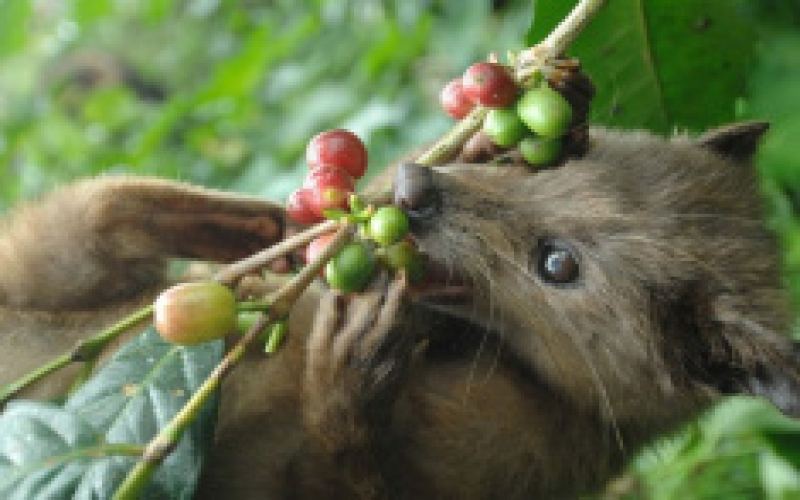
Kopi Luwak, commonly known as cat poop coffee, is a precious coffee unique to Indonesia. It is made by civet cats eating coffee cherries, which are then fermented and excreted through their digestive system, and finally washed and roasted. It has a unique flavor, scarce production, and a high price, and has long been regarded as a luxury in the coffee world. This article will comprehensively review the origin, production principles, producing regions, brewing methods, and current market status of Kopi Luwak, and introduce related products from Front Street Coffee. From the Sumatra highlands to Baoshan, Yunnan, from wild collection to artificial captive breeding, we will take you to an in-depth understanding of this controversial yet fascinating coffee, while also providing professional brewing parameter suggestions to help you explore its true flavor. [more…]
Copycat Luckin Coffee Emerges in Many Places: Is Xingmao Coffee Franchise Trustworthy?
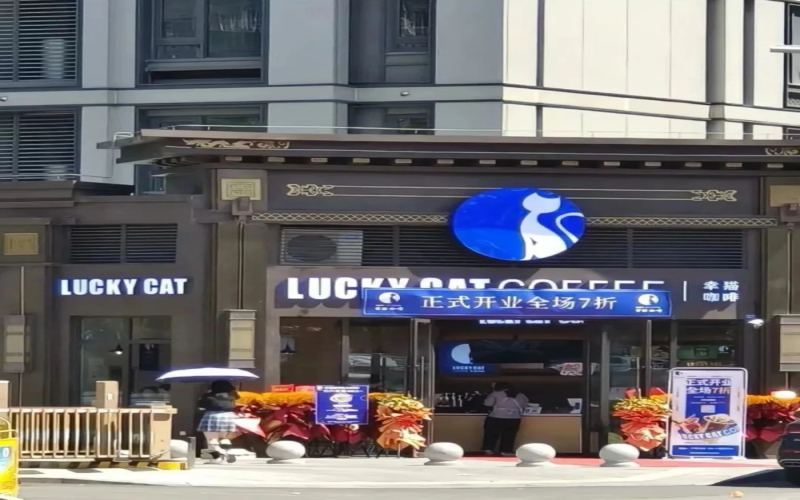
Recently, a knockoff brand highly similar to Luckin Coffee has been appearing in multiple cities — Lucky Cat Coffee (LUCKY CAT COFFEE). The brand is extremely close to Luckin in visual design, store decoration, and even staff attire, sparking heated discussion among netizens. Lucky Cat Coffee has been springing up across the country since April this year, and many consumers mistakenly believed it was a rebranding or sub-brand of Luckin. Although Luckin has officially responded, discussions about whether Lucky Cat Coffee is legitimate and whether it can be franchised continue. This article will sort out the sequence of events and remind entrepreneurs to be cautious when choosing a franchise brand, so as to avoid losses caused by an unstable brand foundation. [more…]
The Cruel Truth Behind Animal Cafes: From Cat Cafes to Wildlife Smuggling, Legality Debates and the Animal Welfare Crisis
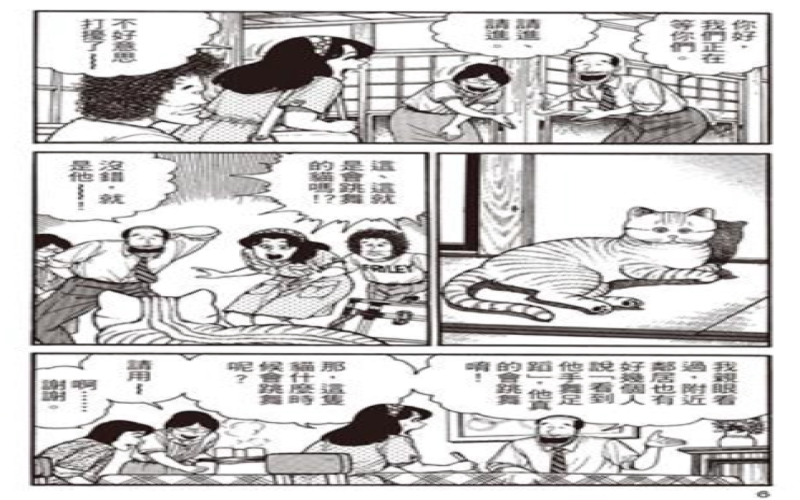
From the imagined cat tea rooms in Japanese manga to the opening of the world's first cat café in Taipei, animal cafés were once seen as a blend of healing and goodwill. Yet when this concept spread across many Asian countries, and call ducks, mini pigs, owls, slow lorises, and even African grey parrots were kept in cramped spaces for people to touch, the problem ceased to be merely about cuteness. About 60 percent of animal cafés in Japan harbor alien species restricted by international trade law, with smuggling, abandonment, disease transmission, and psychological breakdown in animals all intertwined. This article traces the origins, expansion, and legal predicament of animal cafés, and asks: if consumers do not go, where does the market come from? [more…]
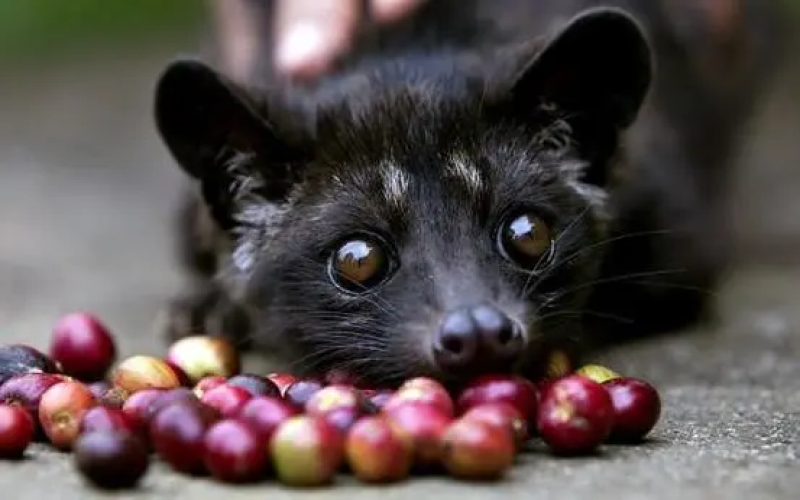
Is Kopi Luwak Really Cat Poop? Uncovering How Civet Excrement Becomes a Rare Beverage
Kopi Luwak, just by its name, evokes both curiosity and resistance. Is it actually cat excrement? The answer is: yes, it is, but not in the ordinary sense of cat feces. The raw material for this coffee comes from the droppings of wild civets in the tropical rainforests of Indonesia, which, after washing and roasting, surprisingly become one of the most expensive coffees in the world. From its accidental discovery during the 17th-century Dutch colonial period, to the animal ethics controversies sparked by today's captive farming, and to its unique heavy fermentation flavor and deep roasting process, Kopi Luwak has a complex and tortuous story behind it. This article will provide a complete overview of the origins, production process, and flavor characteristics of Kopi Luwak, as well as other animal-fermented coffees derived from it, while reminding everyone to view this special beverage rationally. [more…]
Ethiopia Yirgacheffe Aricha G1 Natural Geisha Flavor Coffee Beans: Processing Method and Regional Characteristics
Yirgacheffe is one of the most renowned coffee regions in Ethiopia, and the washed and natural processing methods give it two completely different flavor profiles. Starting from a tasting experience of a natural Yirgacheffe Aricha G1, this article looks back on the author's touching memories of first encountering Yirgacheffe, compares in detail the differences between Aricha G1 and Blue Nile G1 in processing method and flavor layers, and explains the origin of the name of the Yirgacheffe region and its washing tradition. Front Street Coffee recommends this natural Aricha G1, whose lively citrus acidity, apricot blossom aroma, and honey-brown sugar sweetness bring a coffee experience as unforgettable as first love. [more…]
Where Does Kopi Luwak Come From: An Analysis of the Fermentation Process Inside the Civet and Its Pour-Over Flavor Profile
Kopi Luwak is one of the most legendary coffees in the world. It originates from Indonesia and gets its name because civets eat coffee cherries, and after fermentation inside their bodies, the beans are excreted. This unique natural processing method breaks down the proteins in the coffee beans, reduces bitterness, and gives the coffee a thick, sweet mouthfeel with a chocolate-like texture and a long-lasting aftertaste. However, wild civets produce very little, and today most are farmed, so the quality and flavor also vary. This article will explain in detail the origin of Kopi Luwak, its production process, and the flavor performance when brewed by pour-over, giving you a comprehensive understanding of this luxury beverage. [more…]
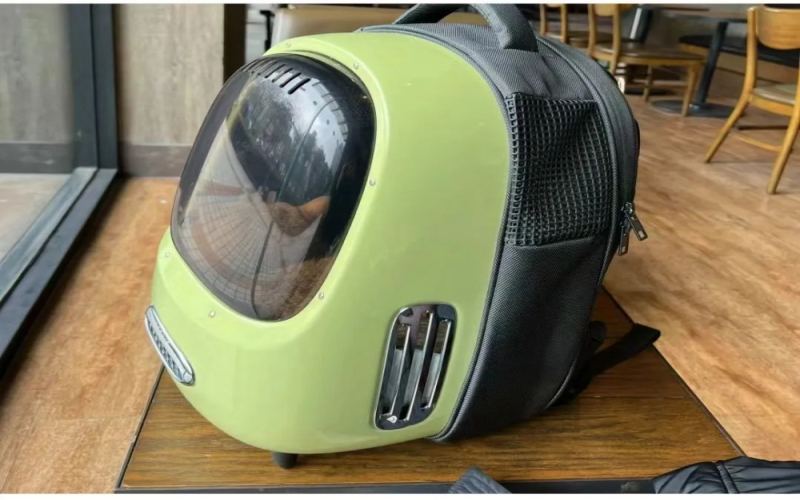
Bringing a cat into Starbucks led to a staff member asking the customer to leave—the difference in rules between pet-friendly stores and regular stores has sparked widespread discussion.
A customer entered an ordinary Starbucks store with a cat carrier to make a purchase. After ordering and sitting down, they were asked to leave by staff, on the grounds that it might disturb other customers. The customer believed the merchant had failed in its duty to inform and that their rights had been harmed; however, most netizens, considering food safety and the feelings of those in public spaces, did not support bringing pets into the store. Behind the incident, Starbucks actually has pet-friendly stores, whose rules differ from those of ordinary stores. So should pets be allowed into coffee shops or not? What should merchants and consumers each pay attention to? This article sorts through the course of the incident and public opinion, and includes relevant advice from Front Street Coffee. [more…]
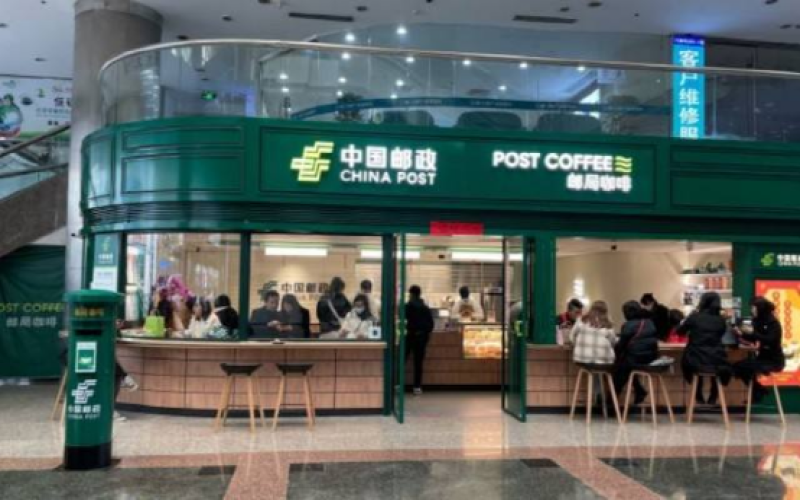
China Post opens its second coffee shop nationwide in Xiamen, launching an eco-friendly special drink in collaboration with OATLY.
Since opening China's first post office café on February 14 this year, China Post has officially entered the coffee market as a national team player. Amid an enthusiastic consumer response, the country's second post office café opened on Cat Street in Xiamen. The new store blends in with the local character of Cat Street, creating a space for cat lovers to mingle, and has partnered with oat milk brand OATLY to launch a hidden-menu eco-friendly special. At the same time, OATLY put in a strong performance in the Asian market in the first quarter, with its Barista product contributing significantly, and the brand is accelerating its expansion into diverse categories such as new-style tea drinks and plant-based ice cream. [more…]